
Smart Zoning: How to Design a Restaurant Kitchen for Maximum Workflow
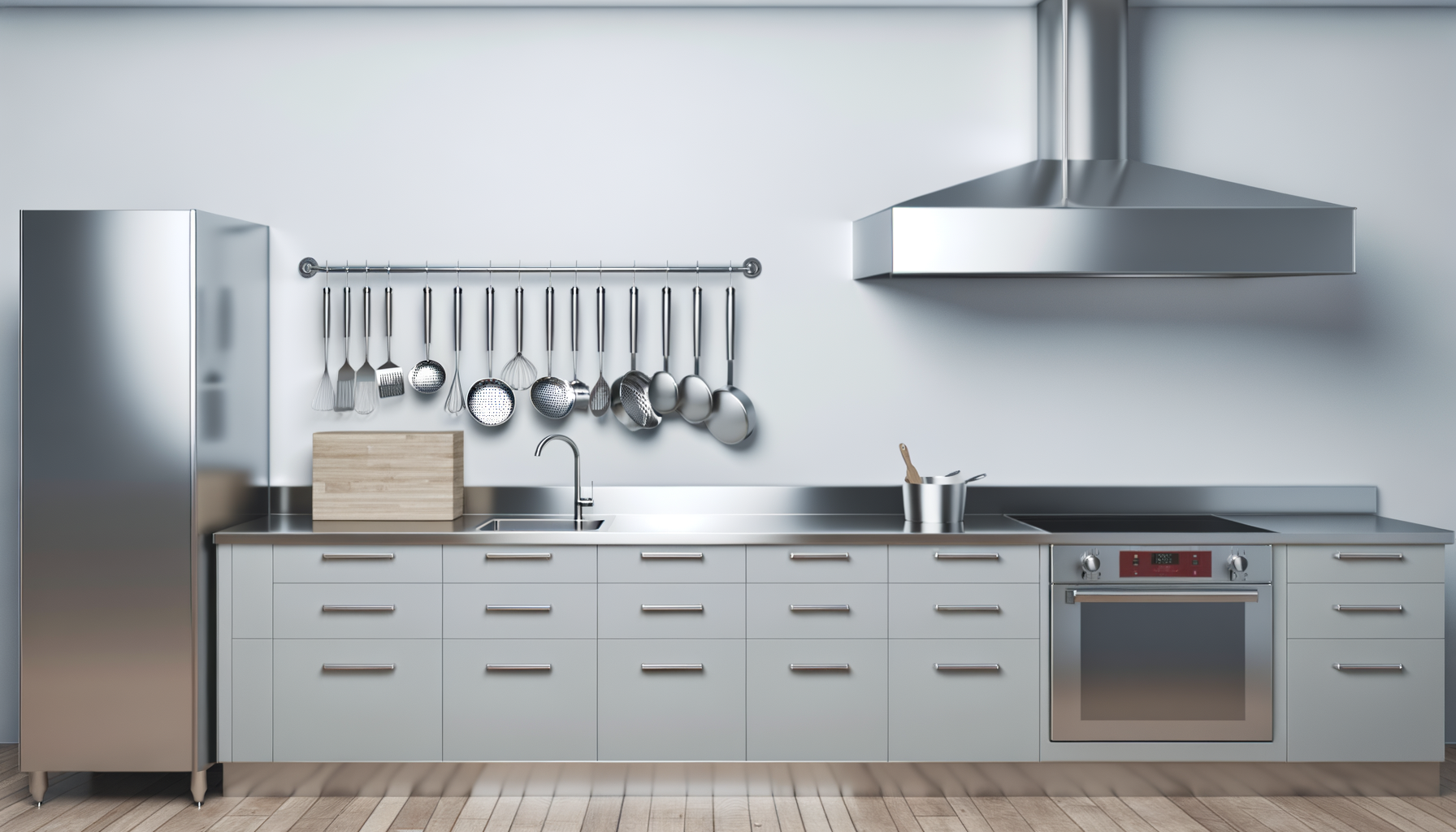
Designing a commercial kitchen is not just about placing stoves and counters. Restaurant kitchen design is about creating a space where chefs, cooks, and staff can move efficiently, prepare meals quickly, and serve guests without unnecessary delays. A well-thought-out kitchen layout improves workflow, reduces stress, and ensures the restaurant runs smoothly. Smart zoning is the key to achieving this, and it starts with understanding the tasks your staff performs daily.
1. Understanding Kitchen Zones
Every commercial kitchen has multiple zones, each serving a specific purpose. Effective restaurant kitchen design groups tasks into zones to help staff work faster, reduce confusion, and prevent accidents. Common zones include:
Preparation Zone: Where ingredients are washed, chopped, and prepared. Keeping this area close to storage helps save time.
Cooking Zone: Stoves, ovens, and grills belong here. Position them centrally for easy access.
Plating and Service Zone: Meals are finished, garnished, and sent out. This zone should be near the pass-through to servers.
Storage Zone: Dry storage, refrigerators, and freezers. Make sure these are near the prep area for smooth ingredient flow.
Cleaning Zone: Sinks and dishwashers. Keep it separate from prep and cooking zones to avoid cross-contamination.
Organizing your kitchen into these zones is the first step in smart zoning. Each zone has a clear purpose, which reduces unnecessary walking and improves overall efficiency.
2. Designing for Staff Movement
Staff movement can either slow down or speed up service. A kitchen layout should allow staff to move freely without bumping into each other. Consider:
Wide aisles for smooth traffic
Clear pathways between zones
Minimizing back-and-forth trips
Think of your kitchen like a map. The shorter the path between prep, cooking, and plating, the faster the service. This reduces stress and keeps food fresh for diners.
3. Choosing the Right Equipment
Equipment placement impacts workflow more than most people realize. Keep frequently used items within reach. For example:
Prep tables close to storage
Ovens near cooking stations
Refrigerators near both prep and cooking areas
Using high-speed cooking tools or energy-efficient appliances can improve output without crowding the space. Modern equipment is designed for multitasking and can save time for your kitchen staff.
4. Prioritizing Safety and Cleanliness
Safety is essential in a busy kitchen. Smart zoning prevents accidents by separating wet areas from hot cooking surfaces. Some tips include:
Anti-slip flooring
Fire extinguishers within reach
Separate handwashing stations
Clear separation of raw and cooked food areas
A clean and safe kitchen is easier to navigate, reducing errors and speeding up service.
5. Maximizing Storage Solutions
Storage is more than just space for ingredients. Efficient storage supports smooth workflow:
Labelled shelves and containers
Refrigerators organized by ingredient type
Dry storage close to prep areas
Good storage design saves time by making it easy for staff to grab what they need without wasting steps. It also reduces food waste and keeps inventory organized.
6. Planning for Multiple Staff Roles
Kitchens often have several staff members working simultaneously. Smart zoning ensures each role has its space without overlapping:
Cooks focus on the cooking zone
Prep staff handle vegetables and ingredients
Dishwashers work in the cleaning zone
This separation reduces chaos and allows each team member to work efficiently without interruptions.
7. Flexibility for Menu Changes
A well-designed kitchen can adapt to menu updates or seasonal changes. For instance, if your menu adds new dishes, the kitchen should allow for:
Extra prep stations
Additional storage for ingredients
Modular equipment placement
Flexible kitchen design future-proofs your restaurant and avoids expensive renovations later.
8. Using Workflow Diagrams
Before building or renovating, create a workflow diagram. Map each step from storage to plating. This helps visualize bottlenecks and optimize staff movement. A simple diagram can save hours of trial-and-error during the actual setup.
9. Lighting and Ventilation
Lighting and ventilation impact both efficiency and comfort. Proper lighting ensures staff can see clearly, reducing mistakes. Ventilation removes heat, smoke, and odors, making the kitchen more comfortable and safer. A well-lit, ventilated kitchen keeps the team focused and productive.
10. Collaboration Between Chef and Designer
The chef knows what equipment and layout work best, while the designer knows how to create space efficiently. Collaborating ensures:
Practical and functional kitchen design
Smooth workflow for staff
Optimized placement of equipment and zones
Working together from the start prevents costly changes later.
11. Technology Integration
Modern kitchens benefit from technology. Smart kitchen monitors, temperature sensors, and automated ordering systems streamline workflow. These tools help staff manage orders faster and reduce errors, especially during peak hours.
12. Reviewing Real-World Examples
Examining other successful kitchens provides insight. For example, Act 3 Designs has worked on:
Resort kitchens with thermal pools
Multi-level foodservice layouts
Hotel bar and kitchen integrations
Each design focused on workflow, equipment placement, and staff efficiency.
What We Bring To The Table -
Smart zoning is more than just arranging equipment. It is about understanding your staff’s needs, separating tasks into zones, and planning for efficiency and safety. A thoughtfully designed kitchen improves workflow, reduces stress, and keeps your restaurant running smoothly. Working with a commercial kitchen design consultant ensures these zones are optimized for your team, your menu, and your space.
When it comes to designing a kitchen that works as hard as your team, Act 3 Designs brings ideas to life. Thanks to my 40 years of experience, as a highly diversified foodservice specialist, as a team, we create spaces where chefs and staff can move with ease, cook efficiently, and serve guests without delays. Every inch of the kitchen is planned to support smooth workflows, from prep stations and cooking areas to storage solutions and bar counters. Accredited as a certified foodservice professional, we bring creative and innovative solutions to our kitchen design.
We blend practical design with the latest equipment, including high-speed tools and energy-smart solutions, making kitchens safe, comfortable, and efficient. Whether it’s a brand-new build or a full renovation, our experience ensures your kitchen fits your menu, your team’s needs, and your long-term goals. Every project is treated as unique, with layouts designed to grow alongside your restaurant and keep operations running seamlessly.
FAQs:
1. What is smart zoning in a restaurant kitchen?
Smart zoning organizes a kitchen into distinct areas for prep, cooking, plating, storage, and cleaning to improve workflow.
2. How does kitchen design affect restaurant efficiency?
A well-planned kitchen reduces walking, prevents accidents, speeds up service, and helps staff work smoothly.
3. What equipment should be prioritized in layout planning?
Frequently used items like prep tables, ovens, refrigerators, and storage should be placed close to their corresponding zones.
4. Can a kitchen layout adapt to menu changes?
Yes, modular zones, flexible prep stations, and scalable storage allow a kitchen to adjust for new dishes or seasonal menus.
5. Why hire a commercial kitchen design consultant?
We at Act 3 Designs bring decades of experience, industry knowledge, and practical expertise to every project. We create layouts that help your staff work efficiently, streamline operations, and set your kitchen up for long-term success. With us, your kitchen becomes a space that supports your team and grows with your business.